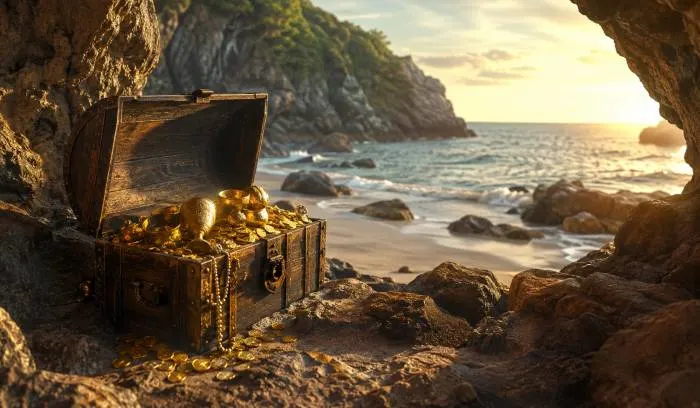
Treasure hunting tales have captivated the attention of people for generations. There are still many questions to be answered about lost royal treasures, ancient gold, pirate loot and Viking silver. Some places where treasure might be buried are linked to famous battles, shipwrecks, lost cities, and secret hiding spots.
During these years, explorers, historians, divers and treasure hunters have been searching these locations, but many legendary treasures have not yet been found. Certain areas are safeguarded today and other areas continue to be studied and subject to old stories. Here are 21 places around the world where legends have been left with lost, buried or hidden treasures.
X marks the spot
From sunken galleons to desert hoards-exciting stories of buried treasure have intrigued and inspired countless explorers over the years, and certain tales truly will not rest.
Across the globe, whispered stories of buried treasure span from secluded islands and cave complexes on distant mountains to the city centres of metropolitan areas and crumbling, forgotten civilizations. Derived either from stories of pirate activity or wartime catastrophes, these mystical places are constantly called to by ambitious diggers and intrigued voyagers alike.
Read More: Flying This Winter? 29 Facts You Need to Know
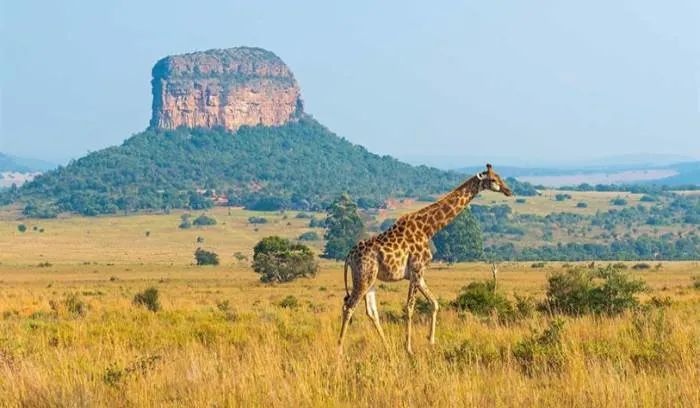
Busento River, Calabria, Italy
When Alaric, the king of the Visigoths, reached their king and the city near the Busento River, and they buried the body of Alaric in the dry river bed, with riches in his tomb, they turned the Busento River once more towards its original channel.
Then they executed all the workmen who concerned themselves with this fact, that no person can discover the place of the burial.
Mosfellsbær, Iceland
Viking warrior-poet Egill Skallagrimsson: Saga tales tell of the famous Viking warrior-poet, Egill Skallagrimsson, burying a treasure of silver somewhere nearby to Mosfellsbær in Iceland, perhaps within a hidden burial cairn or up on a hillside.
But he hid the cache during the last stages of his life to prevent enemies from among his relatives snatching the silver, the saga continues. However, excavations by archaeologists in the area among which was to be found Egill’s place of residence to Borg on western Iceland have come up blank on the lost silver hoard so far, while Egil’s saga remains one of Iceland’s greatest medieval works that mingle myth and history.
Tenochtitlan, Mexico City, Mexico
As the Spaniards led by Hernn Corts withdrew from Tenochtitlan, the Aztec capital during their defeat on 30 June 1520, “the Night of Sorrows” (La Noche Triste), they lost a considerable quantity of the gold that they had plundered: many treasures fell into the water and the conquistadores abandoned them as they struggled across canals and causeways under fire.
Much of this plunder is yet to be found, although some has been discovered near Mexico City, including, in 1981, a large gold bar found in the capital by a construction worker.
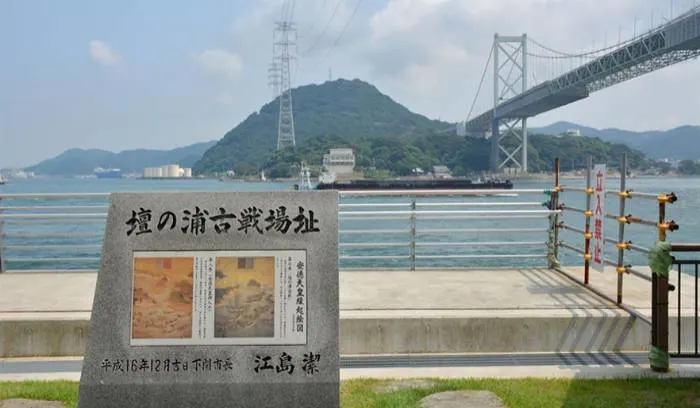
Dan-no-ura, Shimonoseki Strait, Japan
Japanese history: When the Japanese people decided to go fishing for the imperial treasure. In 1185, the Minamoto clan, headed by warriors, defeated the ruling Taira clan of Japan in the Dan-no-ura naval battle. According to a ballad in the 14th century, as it seemed to the Taira that they would surely lose, they sunk the imperial treasures of the regime including sacred regalia in the ocean so that they would not go into the enemy's hands.
The treasures that people believe have gone into the sea included a holy mirror, the sacred gem, and the sacred Kusanagi-no-Tsurugi sword. The Imperial family also drowned in the sea with 8-year-old Emperor Antoku. Divers and historians have conducted a huge search in the Shimonoseki Strait since then, and the lost Imperial treasure, the origin of Kusanagi-no-Tsurugi, has yet to be found.
You May Also Read: Best Adventure Travel Destinations in New Zealand
The Wash, Lincolnshire, England, UK
All but the King of the time drowned in 1216 when one of King John's horse drawn baggage train of wagons entered the Wash on a marshy estuary to the southeast of the country. Contemporary histories tell a story of the returning tide engulfing the King's entourage and carts that rumor states carried crown jewels and gold coins, together with silverware, all of which sank without trace beneath the water and marsh.
However, a series of digs being carried out in relation to the proposed construction of a solar farm have re-ignited hopes that the mystery that surrounds England's most famous lost royal treasure will be solved once and for all.
Cocos Island, Costa Rica
As captain of the British privateer Thompson, Spanish officials assigned Captain William Thompson the duty of carrying treasure from Lima, Peru, to Mexico. Captain William Thompson and his crew then successfully stole all the aforementioned gold, jewels, and religious artifacts on board and escaped to Cocos Island, located off the coast of Costa Rica, where they skillfully concealed their findings. Eventually, authorities apprehended Captain William Thompson and his crew, but they never found the treasure.
Now, over 500 explorations for it including the legendary Bugsy Siegel and the adventurous explorer Frank Worsley have failed and are said to involve more than a billion dollars’ worth of missing treasure. The island has now been designated a UNESCO World Heritage Site and hunting for treasure on it is now strictly prohibited.
Oak Island, Nova Scotia, Canada
Oak Island in Nova Scotia is a 140-acre island where a rumour has developed that there’s lost treasure. Excavators discovered this treasure trove of sorts during the excavation of wooden platforms and what people think are booby-trapped wells in 1795 at what is now called 'the Money Pit'.
People allege that the Money Pit at the island is tied to Captain Kidd, a Spanish gold mine or even the Templar Knights. Former United States President Franklin D Roosevelt himself attended a Money Pit expedition in 1909 and never looked at anything else with so much fascination. Oak Island is still privately owned; however, some tours of the island are available which need to be scheduled beforehand.
FAQs
1. What is buried treasure?
Buried treasure usually means valuable objects such as gold, silver, coins, jewels, or other riches that were hidden underground, underwater, or inside a secret location.
2. Is buried treasure still being found?
Yes. Archaeologists, construction workers, divers, and metal detectorists sometimes find old coins, valuables, and historical objects. However, many famous treasure stories remain unproven.
3. Where is the most famous buried treasure?
Oak Island in Canada is among the world's best-known treasure mysteries. Its famous Money Pit has inspired searches for centuries.
4. Can people legally search for buried treasure?
Laws vary by country and location. Some sites are protected archaeological areas or UNESCO sites where treasure hunting is banned. Always check local laws before searching.
5. Why are treasure stories still popular?
Treasure stories combine history, mystery, adventure, and the possibility of finding something valuable. Unsolved clues also keep these legends alive for new generations.